
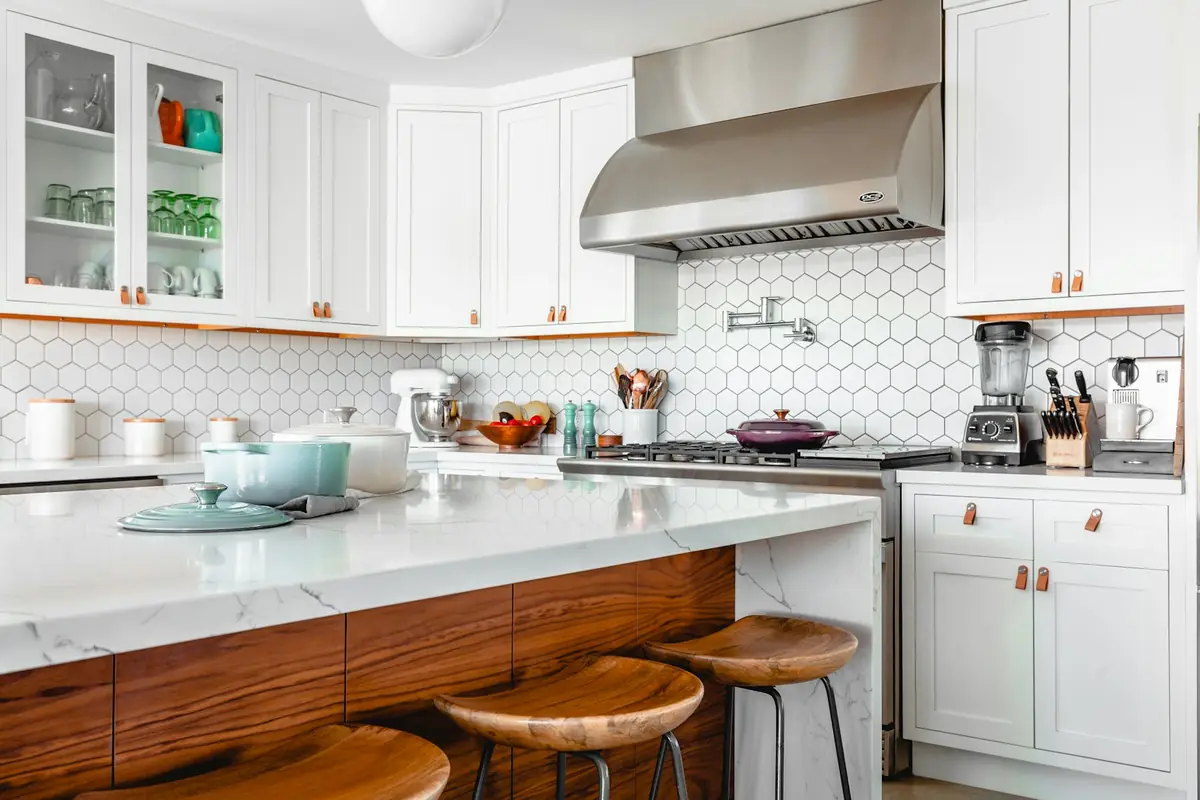
One of the first questions homeowners ask after deciding to remodel their kitchen is: "How long is this going to take?" It is a fair question, and the answer shapes everything from meal planning to vacation scheduling. Based on our experience completing hundreds of kitchen renovations across Orange County, a typical mid-range remodel takes 6 to 10 weeks of active construction time, while luxury or structurally complex projects can extend to 12 weeks or more.
But the construction phase is only part of the story. The pre-construction planning and design phase adds 2 to 4 weeks before any hammer swings. Understanding what happens at each stage helps you set realistic expectations, avoid unnecessary stress, and make better decisions throughout the process. Here is your complete week-by-week guide.
Pre-construction phase (2-4 weeks before construction begins)
This is where the foundation for a successful remodel is laid. Rushing through this phase is the single biggest cause of delays and budget overruns during construction. Take the time to get it right.
Design finalization
During the first week or two, you will work with your contractor and designer to finalize the kitchen layout, material selections, and all finish choices. This includes cabinet style and color, countertop material, backsplash tile, flooring, appliances, hardware, paint colors, and lighting fixtures. At Dream Space Remodel, we provide 3D renderings so you can see exactly what your finished kitchen will look like before we begin.
Material ordering
Once selections are confirmed, materials are ordered. Cabinets are typically the longest lead-time item, requiring 2 to 6 weeks depending on whether they are stock, semi-custom, or fully custom. Countertop fabrication takes 1 to 2 weeks after a template is made (which happens after cabinets are installed). We coordinate ordering so that materials arrive exactly when they are needed on-site.
Permits
Most kitchen remodels in Orange County require at least a building permit, especially if you are making any plumbing, electrical, or structural changes. Permit processing times vary by city. Irvine typically processes permits within 5 to 10 business days, while some coastal cities can take longer. Your contractor should handle the entire permit process on your behalf.
Week 1: Demolition and preparation
Demolition day is exciting and a little nerve-wracking. This is when the old kitchen comes out and the transformation truly begins.
What happens
- Protection Setup: Before any demolition begins, the crew installs plastic sheeting, dust barriers, and floor protection throughout adjacent rooms. This is critical for containing dust, which is the number one complaint during remodeling.
- Utility Disconnection: Water, gas, and electrical circuits serving the kitchen are safely shut off and capped.
- Cabinet and Countertop Removal: Old cabinets, countertops, backsplash, and flooring are carefully removed and hauled away. If you are keeping any existing elements (like a recently purchased appliance), they are safely stored.
- Wall and Ceiling Prep: Once surfaces are exposed, the crew inspects for hidden issues such as water damage, mold, outdated wiring, or pest damage.
Demolition for a standard kitchen typically takes 2 to 3 days. If walls are being removed or the layout is changing, add another day or two for structural work and engineering verification.
What to expect at home
This is the loudest and dustiest week of the project. Even with dust barriers in place, some fine dust will migrate to other rooms. If anyone in your household has respiratory sensitivities, consider staying with family or at a short-term rental for these first few days.
Weeks 2-3: Rough plumbing, electrical, and structural work
This phase is not glamorous, but it is arguably the most important. Everything that goes behind the walls and under the floor must be done correctly, because you will not have easy access to it once the kitchen is finished.
What happens
- Plumbing Rough-In: Supply and drain lines are installed or relocated to match the new kitchen layout. If you are adding a pot-filler faucet, prep sink on the island, or relocating the main sink, it happens now.
- Electrical Rough-In: New circuits are run for appliances, outlets are positioned for the new layout, and wiring for under-cabinet lighting, recessed lighting, and pendant lights is installed. Orange County code requires dedicated 20-amp circuits for certain appliances.
- Structural Work: If a wall is being removed or modified, steel beams or headers are installed during this phase. A structural engineer's plans are followed precisely.
- HVAC Adjustments: Ductwork modifications, if needed, are completed now.
- Inspections: The city building inspector visits to verify that all rough plumbing, electrical, and structural work meets code before walls are closed up. This inspection must pass before moving forward.
This phase typically takes 5 to 8 working days, plus 1 to 3 days for scheduling the inspection. Some Orange County cities offer next-day inspections, while others may require a few days of lead time.
Weeks 4-5: Cabinets and countertops
This is when your kitchen starts to look like a kitchen again. It is the most visually dramatic phase of the project, and most homeowners feel a surge of excitement when they see their new cabinets going in.
What happens
- Drywall Repair and Painting: Any wall patches from the rough-in phase are finished, sanded, and primed. Walls and ceilings get their first coat of paint before cabinets go in.
- Cabinet Installation: Professional installation of upper and lower cabinets, typically taking 2 to 3 days for a standard kitchen. The crew uses laser levels to ensure everything is perfectly aligned.
- Countertop Templating: Once cabinets are in place, the countertop fabricator visits to create precise laser templates. This ensures a perfect fit, especially important for complex shapes and cutouts.
- Countertop Fabrication and Installation: After templating, fabrication takes 5 to 10 business days. Installation of stone or quartz countertops typically takes one day.
The gap between cabinet installation and countertop installation is normal and unavoidable. Your contractor should schedule other tasks during this window to keep the project moving forward.
Week 6: Backsplash and finishing work
With cabinets and countertops in place, the finishing details that bring the design together come next.
What happens
- Backsplash Installation: Tile work typically takes 2 to 3 days, including setting the tile, grouting, and sealing. Complex patterns or natural stone may add an extra day.
- Final Painting: Touch-up painting and any remaining wall or trim painting is completed now that the major installations are done.
- Flooring Installation: If new flooring is part of the project, it is installed during this phase. Luxury vinyl plank and engineered hardwood go in quickly (1-2 days), while tile flooring takes 2-3 days.
- Trim and Molding: Crown molding on cabinets, base trim, and any decorative elements are installed and caulked.
Weeks 7-8: Appliances, fixtures, and final touches
The finish line is in sight. This final phase brings everything together and turns the construction zone back into a functioning kitchen.
What happens
- Appliance Installation: Refrigerator, range, dishwasher, microwave, and any specialty appliances (wine cooler, warming drawer) are installed and connected. Gas appliances are tested for leaks.
- Plumbing Fixtures: Sink, faucet, garbage disposal, and any water filtration systems are installed and tested.
- Cabinet Hardware: Pulls, knobs, and handles are installed on all doors and drawers.
- Lighting: Pendant lights, recessed lights, and under-cabinet lighting are installed and adjusted.
- Final Inspections: The city inspector returns for the final inspection to verify all work meets code and the permit can be closed out.
- Walkthrough and Punch List: You and your project manager walk through the completed kitchen together, noting any items that need adjustment. Common punch-list items include paint touch-ups, hardware alignment, caulking gaps, or cabinet door adjustments.
- Deep Cleaning: A professional post-construction cleaning ensures your new kitchen is ready to use.
Common causes of delays
Even well-planned projects can experience setbacks. Here are the most common causes of kitchen remodel delays in Orange County, and how to minimize their impact:
- Material Backorders: Supply chain disruptions can affect cabinet, countertop, and appliance availability. Ordering early in the design phase and confirming delivery dates before scheduling demolition is essential. Having a backup material selection in mind also helps.
- Permit Delays: Some Orange County cities have longer processing times or may require revisions to plans. Your contractor should know the typical timeline for your city and factor it into the schedule.
- Inspection Scheduling: Building inspectors have limited availability. If an inspection cannot be scheduled promptly, it can stall the next phase of work by several days.
- Scope Changes: Deciding mid-project to add a pantry, change the countertop material, or expand the island will push the timeline out. Make as many decisions as possible during the design phase.
- Hidden Structural Issues: Discovering water damage, termite damage, or outdated systems behind walls adds time for remediation. A contingency of 1 to 2 extra weeks in your mental timeline helps absorb these surprises. For more about budgeting for the unexpected, see our kitchen remodel cost guide.
"Every Dream Space Remodel project gets a dedicated project manager who provides weekly progress updates and maintains a detailed construction schedule. We coordinate all subcontractors, inspections, and material deliveries so that you always know exactly where your project stands and what is coming next. Communication is the foundation of an on-time, on-budget kitchen remodel." - Dream Space Remodel
Tips for living through a kitchen remodel
Spending 6 to 10 weeks without a kitchen takes some planning. Here is how our clients manage it successfully:
- Set Up a Temporary Kitchen: Move your microwave, toaster oven, electric kettle, and a small portable cooktop to a nearby room. A folding table, a few paper plates, and some basic utensils go a long way. The garage, dining room, or a spare bedroom all work well.
- Invest in a Mini Fridge: Keep one near your temporary setup for drinks, lunch supplies, and basics. This significantly reduces dining-out costs.
- Meal Plan Strategically: Slow cookers, instant pots, and air fryers can handle most meals without a full kitchen. Batch cooking on weekends and using disposable dishes makes cleanup simple.
- Set Expectations with Family: Let everyone in the household know the timeline and what to expect each week. Kids handle disruption better when they understand the plan.
- Protect Your Living Spaces: Even with dust barriers, close doors to bedrooms and living areas during demolition. Running an air purifier helps with air quality during dusty phases.
Questions to ask your contractor about timeline
Before signing a contract, make sure you get clear answers to these timeline-related questions:
- What is the estimated start date and completion date?
- How many days per week will the crew be on-site?
- What is the lead time on cabinets and countertops?
- Who handles permit applications and inspection scheduling?
- How will you communicate progress and any schedule changes?
- What happens if a material is backordered or discontinued?
- Is there a penalty or incentive clause for finishing on time?
- What is your current project load, and will my project have a dedicated crew?
A reputable contractor will answer all of these questions confidently and put the timeline commitments in writing. Check our FAQ page for more answers to common remodeling questions.
Ready to start planning?
Understanding the timeline is the first step toward a stress-free kitchen remodel. The second step is choosing a contractor who respects your time as much as your budget. At Dream Space Remodel, we provide a detailed project schedule before construction begins and keep you informed at every stage.
Learn more about our kitchen remodeling services, or request your free estimate to get started. You can also reach us directly at (949) 295-3942. We proudly serve homeowners across Orange County and Los Angeles with fully licensed, bonded, and insured contractors.